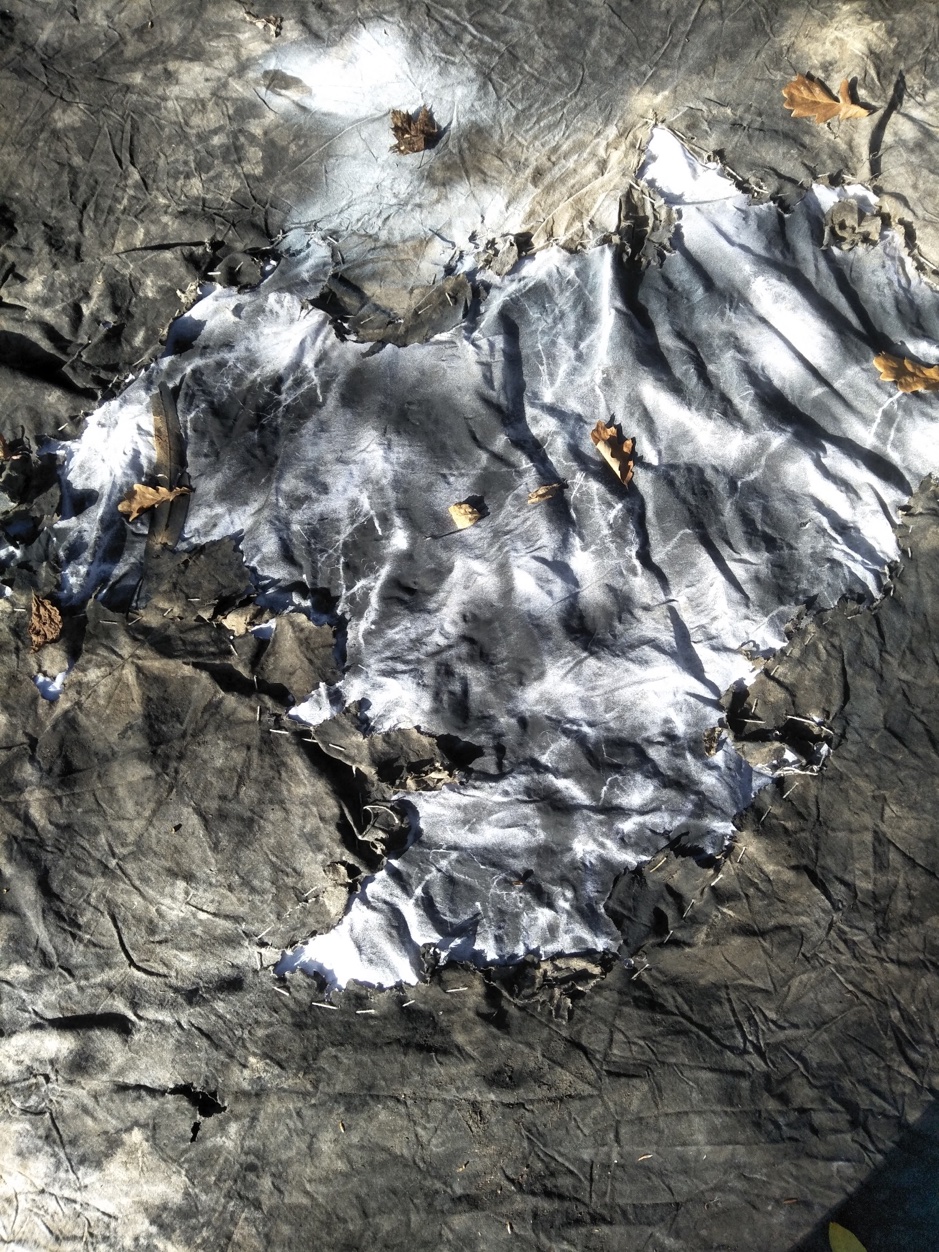
Mental Health-Creating Program that Integrates Text in the Art Image.
Keywords:
mental health, trauma, psychoeducational, pandemic, art makingAbstract
This study was undertaken in response to a need, identified during the COVID-19 pandemic, for the provision of life enriching visual arts experiences to facilitate member well-being in an Albury/Wodonga medical, mental healthcare setting. An art therapy group was subsequently formed to fill this need-gap, and as the group’s art therapist I created a program that integrated cathartic text within the art image to improve well-being. To inform my program process I exercised critical post-structural insight into professional associations’ research on the use of text and of art-making to enhance mental health. Using myself as the subject I initiated creative, practice-based research on ‘text in image’ art-making to deal with my negative affect caused by the pandemic. A subsequent memory mind-map drawing was undertaken to ‘open up’ a creative arts psychoeducational dialogue on the efficacy of the process. Two case studies further informed my evaluation, the first being a ‘text in image’ secondary document analysis of artist and trauma survivor Tracey Emin’s ‘lived experience’ artwork. The second case study recorded the art-making response of a program participant experiencing pandemic stress (written consent was given). My study identified stages in the art-making process when ‘text in image’ was used to externalise an individual’s issues of concern. I concluded that seven cathartic stages were explored in the creation of a safe art receptacle for such concerns. The resulting art psychoeducational program based on ‘text in image’ stages enable an individual to improve self-regulation and achieve positive mental health outcomes.
References